Oil Change Frequency: What’s Right for Your Vehicle?
Oil change frequency is one of the most misunderstood parts of vehicle maintenance. Many drivers in
Statesboro, GA still hear rules like “every 3,000 miles,” while others assume modern synthetic oil means they can wait as long as possible. The truth is more nuanced. Today’s engines run hotter, use tighter tolerances, and often rely on advanced systems like turbochargers and variable valve timing that are sensitive to oil condition. At the same time, today’s oils are significantly better than what most of us grew up with, with additive packages designed to fight deposits, maintain viscosity, and protect under heat and pressure.
So what is the right interval for how often to change oil in your vehicle? It depends on your manufacturer’s schedule, your oil type, and your driving habits, especially short trips, stop and go traffic, towing, and the South Georgia climate. This guide is built to give Statesboro vehicle owners practical, clear answers, along with modern maintenance realities that protect engine performance and long term reliability.

Table of Contents
- 1. How engine oil works and why it is critical
- 2. Conventional vs synthetic blend vs full synthetic
- 3. Driving habits and conditions that change intervals
- 4. Manufacturer schedules and how to interpret them
- 5. Signs you may need an oil change sooner
- 6. Oil change myths vs modern maintenance realities
- 7. Maintenance planning for longevity and performance
- FAQ: Oil change frequency questions
- Conclusion and CTA
1. How engine oil works and why it is critical
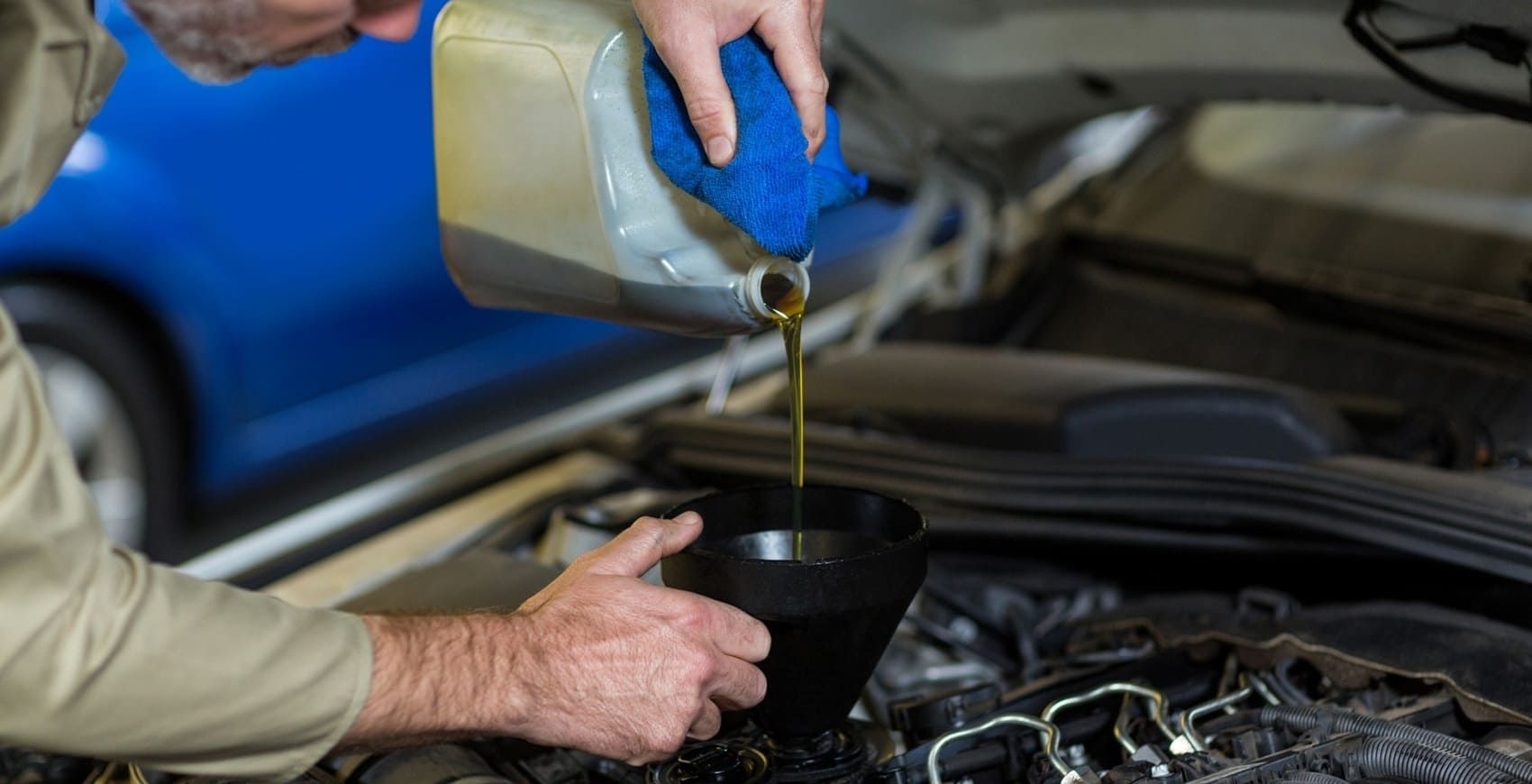
To choose the right oil change frequency , it helps to understand what oil actually does. Engine oil is not just “slippery fluid.” It is a multi purpose working material that protects your engine every time you start the car, idle at a stoplight, accelerate onto I-16, or pull a trailer across Bulloch County.
Lubrication and wear control. Inside the engine, components such as crankshaft bearings, camshafts, and valvetrain parts operate at high speeds. Oil forms a protective film that reduces friction and prevents metal to metal contact. When oil degrades, that protective film can weaken, increasing wear over time.
Heat management. The cooling system handles most heat, but oil also carries heat away from critical areas like piston rings and the valvetrain. In turbocharged vehicles, oil plays an even bigger role because turbo bearings see extreme heat.
Cleaning and contamination control. Oil contains detergents and dispersants that hold contaminants in suspension so the oil filter can capture them. Contaminants include microscopic metal particles, soot, moisture, and fuel dilution. Over time, the oil becomes saturated and its additive package gets used up.
Sealing and efficiency. Oil helps piston rings seal against cylinder walls, supporting compression and efficient combustion. When oil is too thin, too thick, or contaminated, it can contribute to lower efficiency and increased blow by.
Bottom line: oil service is one of the most important vehicle maintenance tips because it directly affects engine health. If you want long term reliability, you want oil that matches the required specification and is changed on a schedule that fits how you actually drive in Statesboro.
2. Conventional vs synthetic blend vs full synthetic
Oil type matters. Two drivers can own similar vehicles and have different intervals because one uses the minimum acceptable oil while the other uses a higher performance option that better resists breakdown. Always follow the viscosity and performance standard listed by your manufacturer, such as API SP or ILSAC GF-6. Some engines require full synthetic. Others allow multiple options.
| Oil Type | Typical Pros | Typical Cons | Common Interval Range* |
|---|---|---|---|
| Conventional | Lower cost, adequate protection for light duty | Breaks down faster under heat and stress | 3,000 to 5,000 miles |
| Synthetic blend | Improved stability, good all around value | Still varies widely by brand and vehicle requirements | 5,000 to 7,500 miles |
| Full synthetic | Excellent heat resistance, cold flow, deposit control | Higher cost, still not unlimited mileage | 7,500 to 10,000 miles |
*General guidance only. Always confirm your manufacturer schedule and your driving conditions.
Conventional oil is refined from crude and can do a good job when changed on time. It is often a reasonable option for older vehicles that do not require synthetic, especially if the vehicle sees mostly easy driving and you follow a shorter interval.
Synthetic blend combines conventional base oils with synthetic components. It typically offers better oxidation resistance and deposit control than conventional oil while keeping cost moderate.
Full synthetic is engineered for consistency and performance. It usually provides better stability under heat, better protection for turbo engines, and better cold start flow. That matters because a significant amount of engine wear happens during starts before oil fully circulates.
Many drivers ask whether a synthetic oil change interval means “set it and forget it.” It does not. Synthetic can often go longer, but the correct interval still depends on the engine design, the oil life monitoring system (if equipped), and whether your driving qualifies as severe service.
3. Driving habits and conditions that change intervals
When people compare oil intervals online, they often forget that “miles” are not equal. A vehicle that spends most of its time idling, making short trips, or towing has a harder life than one that cruises steady highway miles. This section helps you translate your real world driving into a practical plan for how often to change oil .
| Driving Pattern | Why It Matters | Practical Guidance |
|---|---|---|
| Short trips (under 10 miles) | Moisture and fuel dilution build up, oil may not reach full temp | Use a shorter interval, focus on time as well as mileage |
| Stop and go city driving | More idle time and heat cycles, more contamination | Follow severe service schedule if listed |
| Highway commuting | Stable temps and fewer starts, typically easier on oil | Often safe to follow normal manufacturer interval |
| Towing or hauling | Higher oil temps and load, faster oxidation and shear | Shorten interval and consider full synthetic if approved |
| Hot, humid climate | Heat accelerates oxidation, humidity increases moisture risk | Avoid stretching intervals, especially in summer |
Statesboro driving realities. Many drivers combine errands, school drop offs, and short trips with occasional highway travel. If your engine rarely gets a long, steady run, your oil may degrade faster than the mileage suggests. If you also sit in traffic or idle for long periods, oil life can drop quickly.
Towing and heavy loads. Even occasional towing can justify treating your vehicle as severe service. If you tow a trailer, boat, or equipment, you are putting extra heat and stress into the oil. Consider a more conservative oil change frequency, and make sure the oil meets the manufacturer specification.
Modern engines and direct injection. Many newer engines use direct injection and turbocharging. These designs can be more prone to fuel dilution under certain conditions. Fuel dilution thins the oil, reducing protection. This is one reason severe service schedules still exist even though oils have improved.
Time still matters. If you drive very little, your oil can still collect moisture and acids. Many manufacturers specify an interval like “X miles or Y months.” Do not ignore the time limit.
4. Manufacturer schedules and how to interpret them
For most drivers, the most accurate answer is in the owner’s manual. Manufacturer schedules are designed around your engine’s oil capacity, operating temperature range, emissions requirements, and the oil specification required to protect the engine.
To interpret your schedule correctly:
- Confirm the exact oil spec and viscosity. Example: a vehicle may call for 0W-20 full synthetic that meets a specific manufacturer standard.
- Check for two schedules. Many manuals list “normal” and “severe.” If your driving matches severe conditions most of the time, use the severe interval.
- Understand oil life monitors. Many vehicles calculate oil life based on temperature, load, trip length, idle time, and other inputs. Still follow time limits and check the oil level.
- Track your driving profile. If your routine changes seasonally, your oil change frequency may change too.
What about oil life monitors? They are helpful, but not perfect. They do not always account for every factor, and they cannot detect every contamination issue. A smart approach is to use the monitor as guidance while keeping intervals reasonable and confirming the oil level between visits.
Practical interval examples for planning. These are not universal, but they illustrate how the same vehicle can have different needs:
- Mostly highway driving: often closer to the normal schedule if using the correct oil.
- Short trips and city traffic: usually closer to the severe schedule even if mileage is low.
- Towing or heavy loads: severe schedule and more frequent checks of level and condition.
If you want help translating your manual into a realistic plan, X-Treem Automotive and Tinting can help confirm your oil specification and suggest a maintenance approach that fits your daily Statesboro routine.
5. Signs you may need an oil change sooner
Even with a schedule, your vehicle can tell you when it needs attention. Watch for these warning signs, especially if you are trying to set an accurate oil change frequency for your driving habits.
- Oil level dropping between changes. Low oil can cause rapid wear and overheating. Check your dipstick regularly.
- New or louder ticking on startup. This can indicate delayed oil pressure or reduced lubrication at the valvetrain.
- Oil life percentage drops quickly. If your oil monitor declines faster than expected, your driving may qualify as severe.
- Burning smell or visible leaks. Oil leaks can reduce level and contaminate hot surfaces.
- Rough running or reduced fuel economy. Many issues can cause this, but old oil can contribute to friction and reduced efficiency.
- Oil warning light. This is urgent. A low pressure warning is not a reminder. Address it immediately.
6. Oil change myths vs modern maintenance realities
Oil advice is full of outdated rules and oversimplified claims. Clearing up myths can help you choose the right how often to change oil plan without wasting money or risking your engine.
- Myth: Every vehicle needs oil changes every 3,000 miles.
Reality: Some vehicles and severe driving conditions still justify short intervals, but many modern engines using full synthetic can follow longer schedules. - Myth: Synthetic oil always lasts 10,000 miles.
Reality: Many can, but not all should. Severe service, turbo engines, towing, and short trips can shorten safe intervals. - Myth: Dark oil means it is bad oil.
Reality: Modern oils hold contaminants in suspension, which darkens oil. Color alone is not a reliable indicator. - Myth: Oil additives replace routine oil changes.
Reality: Additives are not a substitute for oil that meets the correct specification and is changed on time. - Myth: If the oil life monitor says 40%, you can ignore it.
Reality: The monitor is one data point. If you are in severe service, you may still want a more conservative interval.
Modern reality is simple: use the correct oil spec, follow the manufacturer’s guidance, and adjust based on real driving conditions. That is the most reliable way to protect your engine and keep costs predictable.
7. Maintenance planning for longevity and performance
Oil changes are most effective when they are part of a broader maintenance plan. A consistent schedule supports the systems that depend on clean oil flow and stable viscosity, including variable valve timing, timing chain tensioners, and turbocharger bearings.
| Maintenance Item | Why It Matters | Simple Planning Tip |
|---|---|---|
| Oil and filter service | Controls wear, deposits, and oil pressure stability | Follow normal or severe schedule and track months too |
| Air filter inspection | Helps fuel economy and reduces contaminants | Check at each oil change |
| Fluid checks (coolant, brake, transmission) | Prevents overheating and component damage | Check levels and condition regularly |
| Tire pressure and rotation | Improves handling, braking, and tire life | Check pressure monthly, rotate on schedule |
When drivers commit to consistent maintenance, they often start thinking about comfort and protection upgrades too. For example, reducing cabin heat and UV exposure can help preserve interior materials and improve driving comfort in South Georgia summers. Many owners explore window tint after they get core maintenance under control because it supports a long term approach to caring for the vehicle.
As part of Statesboro auto care, consider keeping a simple maintenance log. It makes it easier to spot patterns, such as rising oil consumption or decreasing oil life readings, and it supports resale value by showing consistent care.
FAQ: Oil change frequency questions
Does synthetic oil last longer than conventional?
In many cases, yes. Full synthetic generally resists breakdown better. Still, your correct interval depends on manufacturer guidance and your driving conditions.
What is the best mileage range for oil change frequency?
Many vehicles fall between 5,000 and 10,000 miles depending on oil type and conditions. Severe service often means shorter intervals.
How often to change oil if I drive very little?
Use the time limit in your manual. Even low mileage vehicles can build moisture and acids in the oil.
How do oil change intervals vary by vehicle age?
Older vehicles may have more blow by or oil consumption. You may need more frequent level checks and sometimes a more conservative interval.
Can I rely on my dashboard oil life monitor?
It is a helpful tool, but you should still follow time limits and check oil level. If you drive in severe conditions, consider changing earlier.
What happens if I skip or delay oil changes?
Risks include sludge, restricted oil flow, overheating, accelerated wear, and potentially major engine damage. It can also affect warranty coverage if maintenance is neglected.
Does driving mostly highway miles let me extend intervals?
Highway driving is generally easier on oil, so many drivers can follow the normal manufacturer interval when using the correct oil and filter.
How does towing affect oil change frequency?
Towing increases heat and load, which ages oil faster. Treat it as severe service and shorten the interval.
Does Statesboro heat and humidity impact oil performance?
Heat accelerates oxidation, and humidity plus short trips can increase moisture in the oil. Avoid stretching intervals during hot seasons.
How do I know the correct oil for my vehicle?
Check the owner’s manual for viscosity and required standards. If you are unsure, a shop can confirm the correct specification for your engine.
Conclusion and CTA
The right oil change frequency is not a one size fits all number. The best plan is based on your manufacturer’s recommendations, the correct oil type and specification, and your real driving conditions in Statesboro. Short trips, stop and go traffic, towing, and summer heat can all shorten how often to change oil , even if you are using full synthetic. Consistent service protects engine performance, supports long term reliability, and helps you avoid costly repairs.
If you want practical guidance tailored to your vehicle,
contact X-Treem Automotive and Tinting for trusted Statesboro auto care and vehicle maintenance tips. If you are also seeking car window tinting, reach out to
X-Treem Automotive & Tinting in
Statesboro, GA for expert advice, professional installation of LLumar Window Tinting products, and a
free estimate for window tint solutions that enhance comfort, UV protection, and interior preservation.