What's the Best Window Tint for Night Driving Safety in Statesboro, GA?
Window tint has a reputation for one thing above all else: keeping cars cool. But a question that comes up constantly at X-Treem Automotive & Tinting in Statesboro is the opposite concern — will tint make it harder to see at night? It's a fair question. Between rural GA-67 backroads, deer crossings, and unlit stretches around Bulloch County, night visibility isn't something Statesboro and Savannah-area drivers can afford to compromise. The good news: with the right film, shade, and installer,
window tint doesn't just avoid hurting your night driving — it can actually make nighttime glare from oncoming headlights easier to manage. This guide breaks down exactly which tint technology, VLT percentage, and shade level give you the best balance of daytime comfort and nighttime clarity.
Why People Worry Tint Will Hurt Night Vision
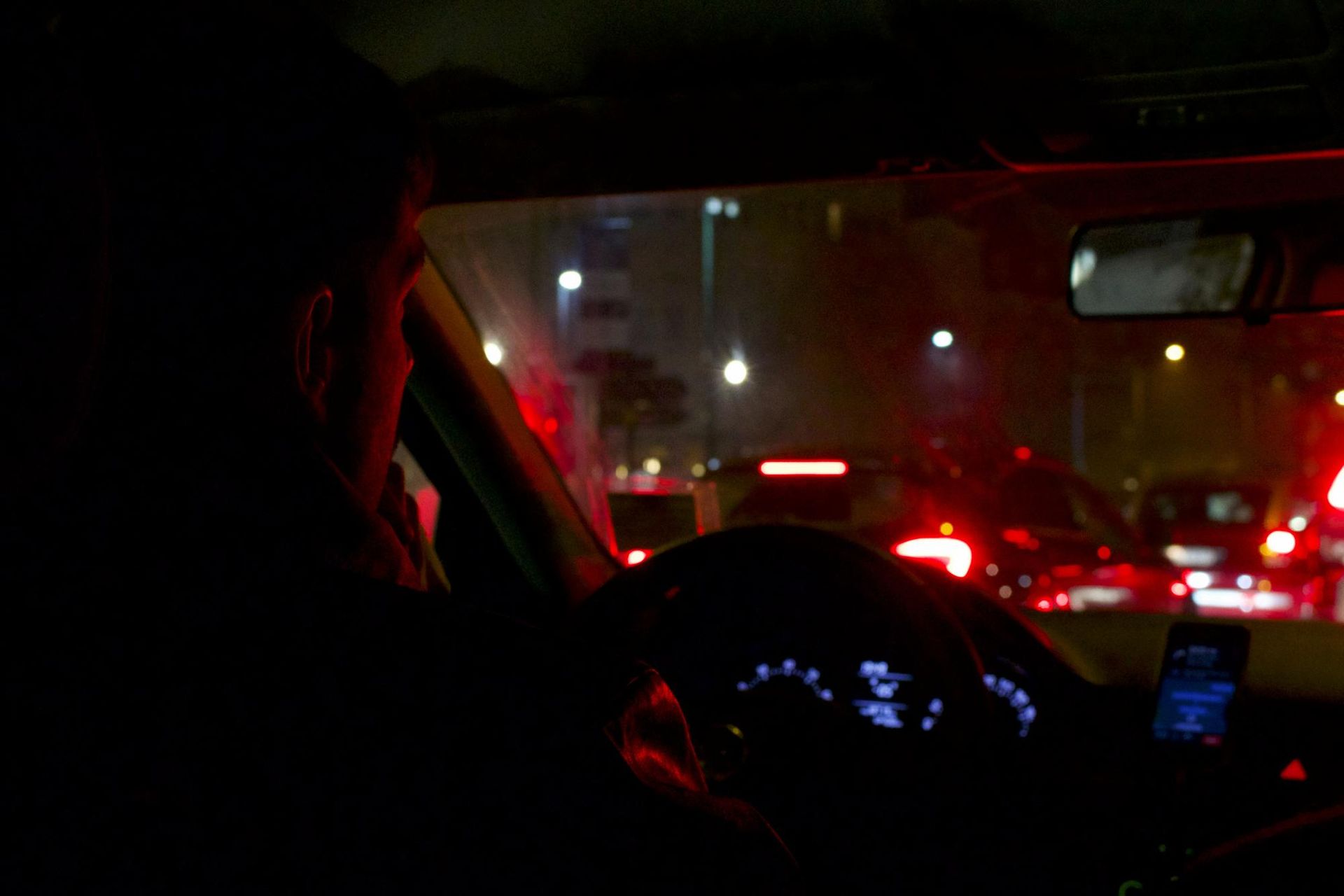
The concern makes sense on the surface. Tint darkens the glass, and darker glass lets in less light — so logically, it should be harder to see through at night when there's already less light available. This is true to a point. Extremely dark tints, especially cheap dyed films with poor light transmission, can genuinely reduce a driver's ability to see pedestrians, road signs, and lane markings after sundown.
But the type of film matters just as much as the darkness level. Two tints with the exact same visible light transmission (VLT) percentage can perform very differently at night depending on what they're made of. A budget dyed film and a premium nano-ceramic film can share a "35% VLT" label and still behave nothing alike once the sun goes down.
The Technology Behind the Tint Matters More Than the Shade
1. Dyed Film
Dyed window film is the most affordable option, but it's also the least effective for night driving. Dyed film absorbs light rather than filtering it efficiently, and lower-quality dyed products can develop a purplish or faded haze over time that scatters light unevenly — which is exactly what creates that halo effect around headlights that makes night driving uncomfortable.
2. Metallized Film
Metallized film reflects heat and light using tiny metallic particles. It performs better than dyed film for heat rejection, but the metal content can interfere with radio signals, GPS, and cell reception — an underrated but real drawback for anyone who depends on their phone or in-dash electronics while driving at night on rural roads.
3. Nano-Ceramic Film
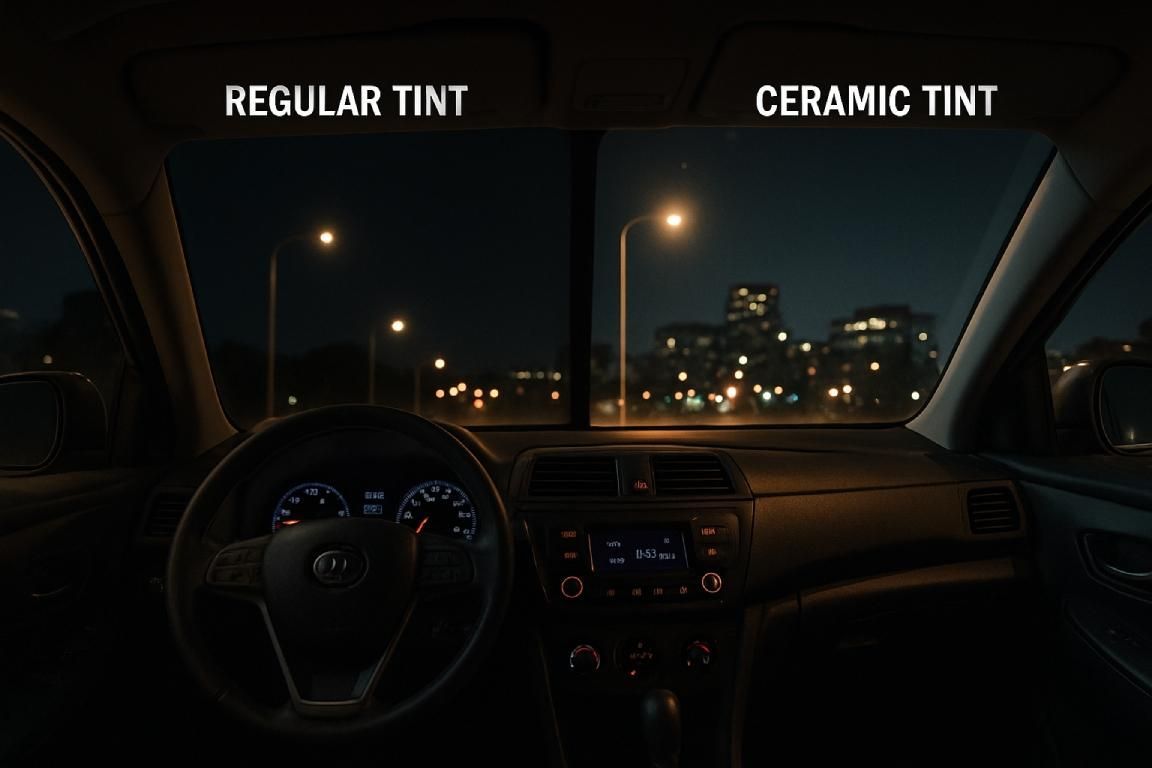
Ceramic film is where night driving performance really improves. Ceramic particles are engineered to filter infrared and UV rays without scattering visible light the way dyed or metallized films can. This means a ceramic film at a given VLT percentage will typically transmit light more evenly and with better optical clarity than a cheaper film at that same percentage — which translates directly into less glare distortion and better contrast when headlights hit your windows at night.
This is the core reason X-Treem Automotive & Tinting installs LLumar's ceramic lines, including the IRX Series and CTX Series, for customers who want both daytime heat control and dependable night visibility.
What VLT Percentage Is Actually Best for Night Driving?
VLT (Visible Light Transmission) measures the percentage of light that passes through your window and film combined. A higher VLT means more light gets through — which generally means better nighttime visibility. In Georgia, this isn't just a comfort preference; it's regulated by law.
Under current Georgia tint law, front side windows must allow more than 32% VLT, and back side and rear windows must also stay above 32% VLT for sedans (SUVs and vans have more flexibility on rear windows). This baseline exists specifically to protect visibility for the driver — which happens to align closely with what's recommended for safe night driving.
For most Statesboro-area drivers who do a meaningful amount of nighttime driving — commuting from Savannah, running rural roads near Bulloch County, or driving frequently after dark for work — a lighter-to-mid ceramic shade in the 35–50% VLT range on front windows tends to strike the best balance: enough darkness to cut daytime glare and heat, without sacrificing the clarity needed when headlights, streetlights, and reflective road signs come into play after dark.
Ceramic Tint Comparison: Which LLumar Series Fits Night Driving Best
| Feature | IRX Series (Ceramic) | CTX Series (Ceramic) | ATC Series (Dyed) |
|---|---|---|---|
| Technology | Nano-ceramic, IR-focused | Nano-ceramic | Dyed film |
| UV Protection | 99% | 99% | Lower, varies |
| Night Visibility Performance | Excellent — clean light transmission | Excellent — clean light transmission | Fair to poor, can distort light over time |
| Signal Interference | None (metal-free) | None (metal-free) | None |
| Heat Rejection | Highest in lineup | Strong | Minimal |
| Best For | Drivers wanting top-tier heat control + night clarity | Drivers wanting ceramic performance at a lower price point | Budget-conscious buyers prioritizing looks over performance |
| Warranty | Manufacturer's lifetime limited warranty | Manufacturer's lifetime limited warranty | Varies |
For anyone specifically prioritizing night driving safety, both ceramic series outperform dyed and metallized options because they don't degrade optical clarity the way older film technologies can.
How Glare Reduction Actually Helps at Night
It sounds counterintuitive, but a properly chosen tint can reduce the discomfort of oncoming headlight glare rather than worsen it. Glare from high beams and LED headlights is a growing complaint among drivers, and a quality ceramic film cuts down on the intensity of that light hitting your eyes without eliminating your ability to see the road, signs, or hazards around you. This is different from tint that's too dark or poorly manufactured, which can create a "smearing" effect around bright light sources — the visual distortion that actually does make night driving harder.
Getting Window Tint Installed the Right Way
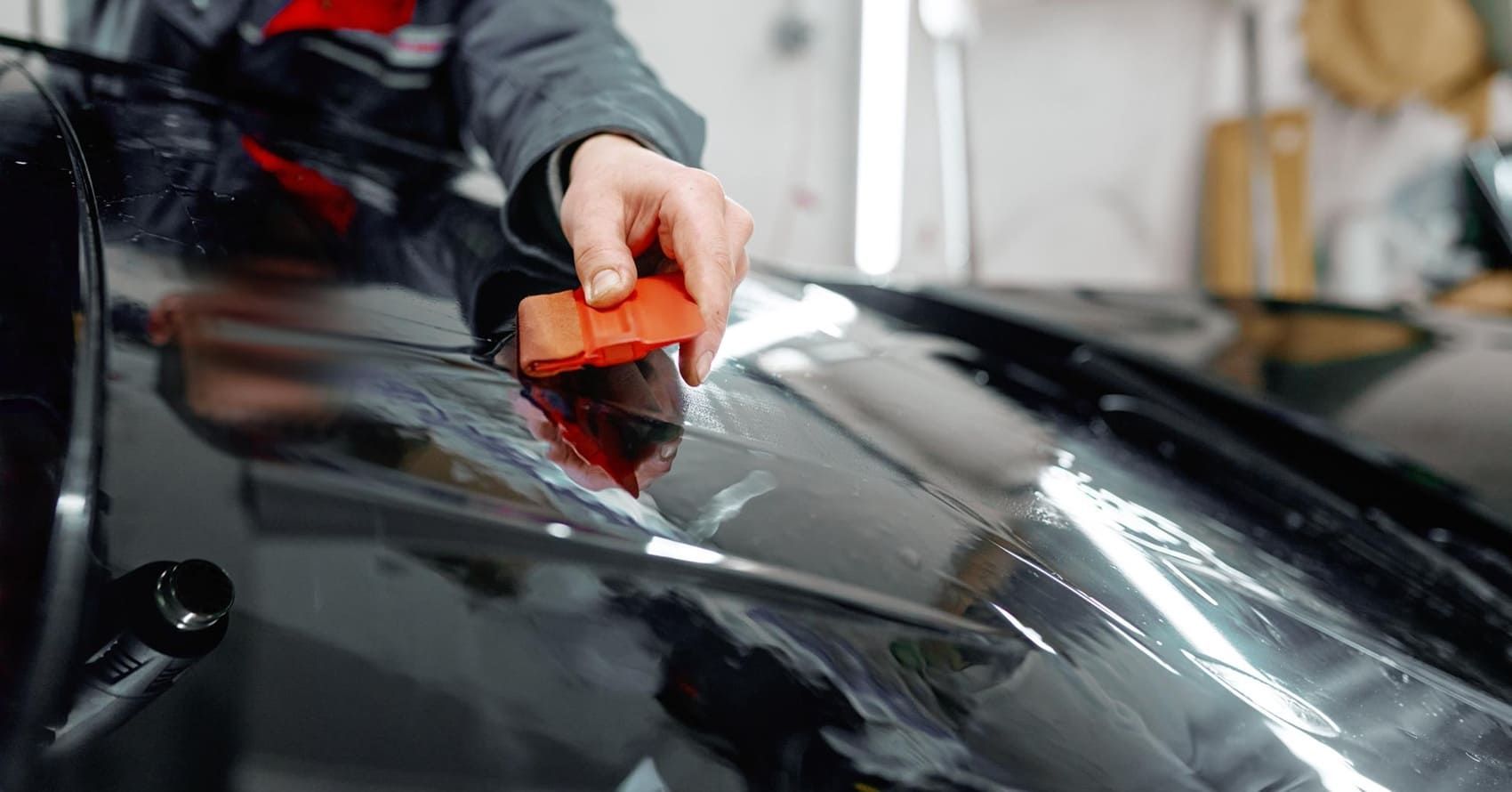
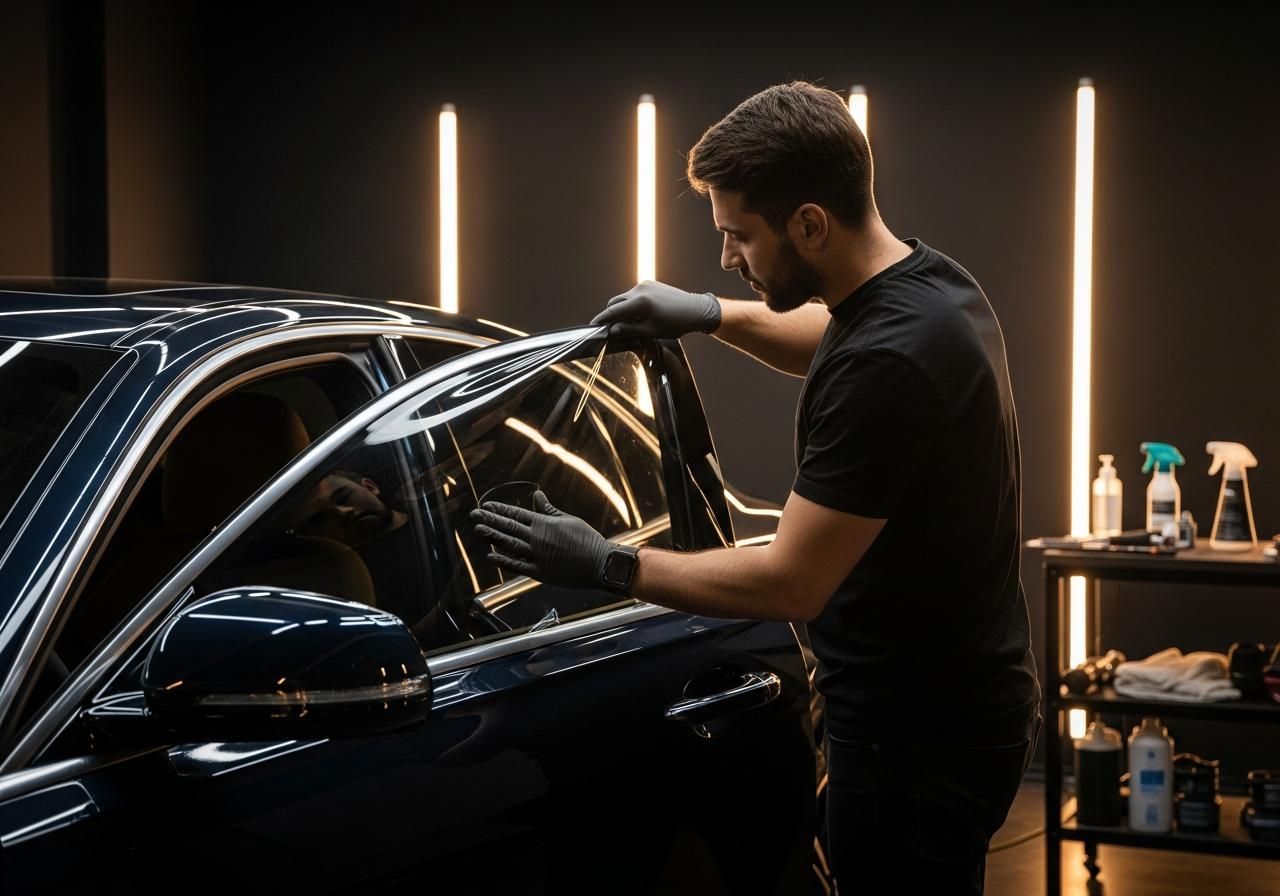
Even the best film can underperform if it's installed poorly. Bubbling, uneven application, and low-grade adhesive can all distort light transmission over time — which is part of why X-Treem Automotive & Tinting uses computer-cut, precision installation for every vehicle rather than hand-cutting film on the glass. Here's what the process typically looks like for customers coming in for auto tint in Statesboro:
- Free estimate. Share your vehicle's make, model, and year, along with your priorities — heat rejection, privacy, or night driving clarity.
- Film and shade selection. Choose between IRX, CTX, ATC, ATR, or AIR Series based on your budget and how much of your driving happens after dark.
- Old tint removal (if needed). Any existing tint is fully removed to avoid bubbling or inconsistent shading underneath the new film.
- Precision installation. Computer-cut film is professionally applied for a clean, bubble-free finish.
- Lifetime warranty coverage. Every LLumar installation is backed by a manufacturer's lifetime limited warranty against bubbling, cracking, and color change.
Frequently Asked Questions
Does window tint make it harder to see at night?
Poor-quality or overly dark tint can reduce night visibility, but properly selected ceramic film in a legal VLT range typically improves comfort by reducing glare without meaningfully affecting your ability to see the road.
What's the darkest legal tint in Georgia?
Georgia law requires front side windows, back side windows, and the rear window to allow more than 32% VLT on sedans. SUVs and vans have more flexibility on rear windows, which can be any darkness, but front windows must still meet the 32% minimum.
Is ceramic tint better than dyed tint for night driving?
Yes. Ceramic tint filters light more evenly than dyed film, which tends to reduce the halo or smearing effect some drivers notice around headlights and streetlights after dark.
Will tinted windows affect my headlights or visibility of road signs?
Your headlights themselves aren't tinted, so their output isn't affected. What tint affects is how much ambient and oncoming light passes through your windows — which is why choosing the right film and shade matters for keeping road signs and hazards clearly visible.
Can I choose a lighter tint specifically for night driving?
Absolutely. Many customers who drive frequently at night opt for a lighter ceramic shade toward the higher end of the legal VLT range to maximize both heat rejection and visibility.
How long does professional window tint installation take?
Most vehicles can be tinted in a matter of hours, and X-Treem Automotive & Tinting frequently completes standard installations same-day.
Ready to Tint Your Vehicle the Right Way?
If you're weighing heat control against night driving visibility, you don't have to choose one over the other. A properly selected ceramic film, installed correctly and within Georgia's legal VLT limits, gives Statesboro, Savannah, and Bulloch County drivers the best of both worlds — daytime comfort and nighttime clarity.
X-Treem Automotive & Tinting is an authorized LLumar film dealer offering a full range of ceramic, metallized, dyed, and clear tint options, each backed by a manufacturer's lifetime limited warranty. Stop by 17301 GA-67 in Statesboro, call (912) 681-8468, or request a free estimate online to find the right shade for how — and when — you actually drive.