Does Ceramic Tint Block UV Enough to Protect Interiors?
Georgia's sun doesn't take days off, and neither does the damage it does to a vehicle's interior. Cracked dashboards, faded upholstery, and sun-bleached door panels are common sights on cars around Statesboro, Savannah, and Bulloch County after just a few years of daily UV exposure. If you're considering window tint specifically to protect your interior, the question isn't just "does tint help," it's "does ceramic tint block enough UV to actually make a difference."
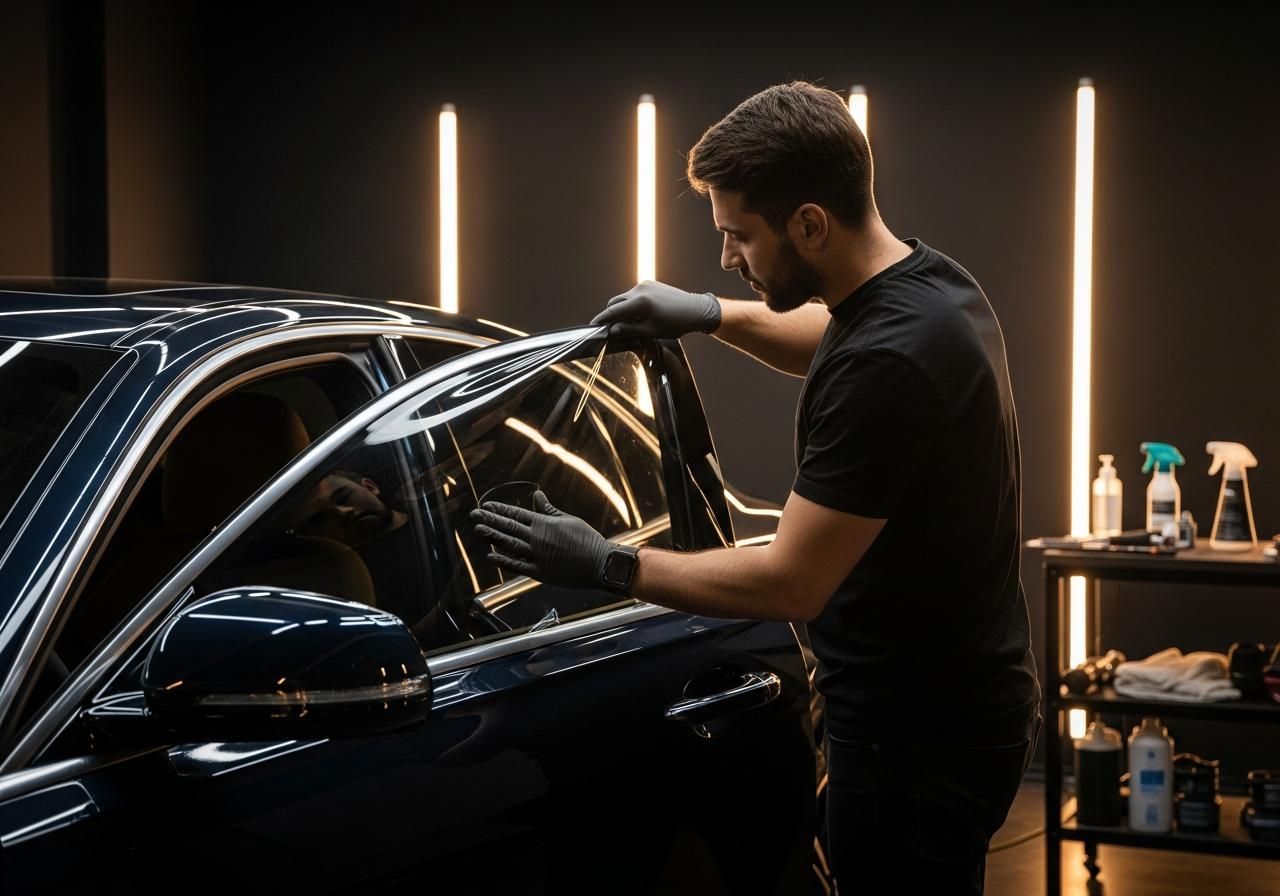
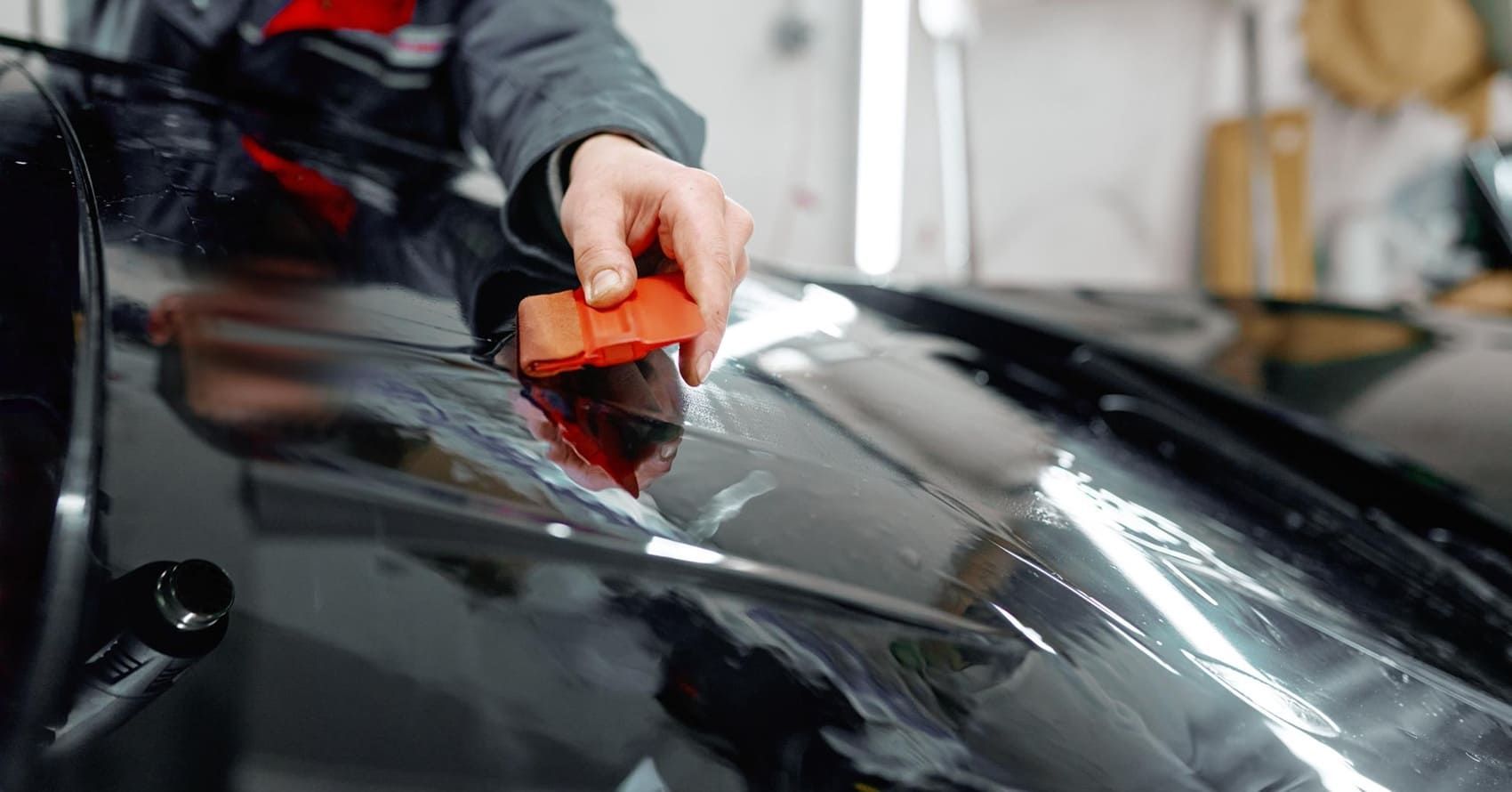
X-Treem Automotive & Tinting, an authorized LLumar film dealer serving Statesboro and the surrounding Georgia area, installs UV-protective film on vehicles daily and has a clear, data-backed answer. Here's what ceramic tint actually blocks, how that compares to other film types, and what it means for protecting your interior long term.
How UV Rays Damage a Vehicle's Interior
Before evaluating whether ceramic tint solves the problem, it helps to understand exactly what's causing interior damage in the first place.
UVA and UVB Exposure Through Glass
Sunlight that passes through untreated automotive glass carries both UVA and UVB radiation. UVA rays penetrate deep and are the primary driver of long-term fading and material breakdown, while UVB contributes to surface-level damage. Standard automotive glass blocks some UVB but does very little to stop UVA, which is why interiors still degrade even in vehicles that are "just" driven around town.
What UV Damage Actually Looks Like
Left unchecked, cumulative UV exposure leads to:
- Fading and discoloration of upholstery, carpet, and dashboard surfaces
- Cracking and brittleness in leather, vinyl, and plastic trim
- Warping of dashboard components under prolonged heat and UV stress
- Reduced resale value from visibly sun-damaged interiors
What Ceramic Tint Actually Blocks
This is where ceramic tint earns its reputation as the top-tier option for interior protection.
UV Rejection Numbers That Matter
Quality ceramic window film, including LLumar's CTX Series, blocks up to 99% of UV rays. That's not a rounding-up marketing number, it reflects how ceramic film is engineered at a molecular level using non-metallic ceramic particles that absorb and block UV radiation across the spectrum, rather than only filtering visible light.
Heat Rejection Adds a Second Layer of Protection
UV isn't the only threat to an interior. Heat buildup accelerates material breakdown even when UV exposure is controlled. Ceramic tint also delivers strong infrared heat rejection, commonly in the range of 70-80% depending on the specific film, which reduces the temperature swings that make dashboards brittle and vinyl crack over time.
Why Ceramic Outperforms Other Film Types
| Film Type | UV Protection | Heat Rejection | Durability | Signal Interference |
|---|---|---|---|---|
| Dyed Film | Lower and less consistent | Low | Fades and degrades faster | None |
| Metalized Film | Good | Moderate to good | Moderate | Possible |
| Carbon Film | Good | Good | Better than dyed | None |
| Ceramic Film | Highest | Strongest | Highly durable | None |
Does 99% UV Blocking Mean Total Protection?
What "Up to 99%" Really Means
Ceramic film blocking up to 99% of UV rays is a real, tested performance figure, not an exaggeration. That said, "up to" reflects variation across specific product lines and shade levels, so confirming the exact UV rejection rating of the film you're choosing is worth doing during your consultation.
The Remaining 1% Still Matters Over Years
Even at 99% UV rejection, a small amount of UV exposure still reaches the interior over the life of a vehicle. This is why ceramic tint should be understood as dramatically reducing UV damage and significantly slowing the fading and cracking process, not making a vehicle's interior completely immune to sun exposure forever. Combined with reduced heat buildup, though, it's the strongest practical protection available on the market today.
Windshield and Untinted Areas Still Take Some Exposure
In many states, front windshields have different tint regulations than side and rear windows, which means untreated or lightly treated windshield glass may still let in more UV than tinted side windows. Clear, UV-blocking windshield film is worth discussing with your installer if you want the most complete interior protection possible while staying within Georgia's tint laws.
Ceramic Tint vs. Other Film Types: UV and Interior Protection Comparison
| Factor | Dyed Film | Metalized Film | Carbon Film | Ceramic Film |
|---|---|---|---|---|
| UV rejection | Moderate | Good | Good | Excellent (up to 99%) |
| Heat rejection | Low | Moderate to good | Good | Highest (up to ~80%) |
| Fading/degradation over time | Fades faster | Moderate | Fades slower than dyed | Highly resistant |
| Signal interference risk | None | Possible | None | None |
| Long-term interior protection | Limited | Good | Better | Best overall |
| Recommended if UV protection is the priority | Budget option only | Not ideal for tech vehicles | Solid mid-range option | Top recommendation |
Why This Matters More in Georgia's Climate
Statesboro, Savannah, and the surrounding Bulloch County area see long stretches of intense sun and high humidity throughout most of the year. That combination of strong UV exposure and heat buildup inside a parked vehicle accelerates interior damage faster than it would in a cooler, cloudier climate. For vehicles that spend a lot of time parked outside, whether for work, commuting, or everyday errands, ceramic tint's UV and heat rejection numbers translate directly into a longer-lasting, better-looking interior.
Frequently Asked Questions
How much UV does ceramic tint actually block?
Quality ceramic film, such as LLumar's CTX Series, blocks up to 99% of UV rays, making it the strongest UV protection available among common window film types.
Will ceramic tint stop my dashboard from cracking?
Ceramic tint significantly slows the fading, cracking, and material breakdown caused by UV and heat exposure. It dramatically reduces the damage but doesn't eliminate long-term sun exposure entirely, especially in areas not covered by tint like the windshield.
Is ceramic tint better than dyed tint for protecting interiors?
Yes. Ceramic tint offers higher and more consistent UV rejection than dyed film, and it doesn't degrade as quickly under prolonged sun exposure, making it the stronger long-term choice for interior protection.
Does ceramic tint block heat as well as UV?
Yes. Ceramic tint typically rejects around 70-80% of infrared heat in addition to blocking UV rays, which helps prevent the heat-driven warping and brittleness that damages dashboards and trim over time.
Should I tint my windshield too for full UV protection?
Since side and rear windows can typically be tinted darker than windshields under Georgia law, a clear, UV-blocking film on the windshield can help close that gap and provide more complete interior protection.
How long does ceramic tint's UV protection last?
Quality ceramic film is highly resistant to degradation and typically holds its UV-blocking performance for many years, especially when backed by a manufacturer's lifetime warranty.
Protect Your Interior With the Right Film
If protecting your interior from Georgia's relentless sun is the goal, ceramic tint delivers the strongest, most reliable UV and heat rejection available, without the signal interference risk of older metalized films. It won't stop 100% of UV exposure forever, but it dramatically slows the fading, cracking, and heat damage that shortens the life of a vehicle's interior.
X-Treem Automotive & Tinting, an authorized LLumar dealer serving Statesboro, Savannah, and Bulloch County, installs premium ceramic film backed by a lifetime warranty against bubbling, cracking, and discoloration. Visit the shop at 17301 GA-67, Statesboro, GA 30458, or call (912) 681-8468 for a free estimate on the right ceramic tint package to protect your vehicle's interior.