
How Long Does Window Tint Last in Georgia Weather? A Southeast Georgia Guide
In Georgia's climate, quality professionally installed window tint typically lasts 10 years or more. Premium ceramic films are often designed to last for the life of the vehicle. Cheap, low-grade dyed tint, on the other hand, may start fading, turning purple, or bubbling in as little as two to five years under Georgia's intense sun and heat.
The difference comes down to three things: the type of film, the quality of the installation, and how you care for it. Southeast Georgia's long, hot summers, strong UV, high humidity, and heavy pollen seasons put window film to the test. Good film is built to handle it. Bargain film usually isn't.
This guide covers how long each type of tint typically lasts and how Georgia weather affects it. It also explains the warning signs that your tint is failing and what you can do to make it last as long as you own your car, truck, or SUV.
How Long Does Each Type of Window Tint Last?
Not all tint is built the same. Here's what Georgia drivers can generally expect from each film type when it's professionally installed:
| Film Type | Typical Lifespan in Georgia Conditions | How It Ages |
|---|---|---|
| Cheap, unbranded dyed film | About 2–5 years | Fades, turns purple, bubbles |
| Premium dyed film (e.g., LLumar ATC) | Many years; color-stable | Built to resist fading and color change |
| Metallized film (e.g., LLumar ATR) | 10+ years | Very durable; metal layer resists fading |
| Ceramic film (e.g., LLumar IRX, CTX) | 10+ years; often life of the vehicle | No dyes or metals to break down |
| Clear ceramic film (e.g., LLumar AIR) | 10+ years | Color-stable and durable |
These are general ranges, not guarantees. Actual lifespan depends on installation quality, sun exposure, and care. The best indicator of how long a film will last is the warranty behind it. Premium films from established manufacturers often carry lifetime warranties against bubbling, peeling, cracking, and color change.
Why Cheap Tint Fails Faster
Low-cost films often rely on basic dyes to create their dark color. UV exposure breaks those dyes down over time. The result is the familiar purple or faded look you've probably seen on older cars around town. Cheap adhesives can also weaken in high heat, leading to bubbles and peeling edges.
Why Ceramic Tint Lasts the Longest
Ceramic film uses non-metallic ceramic particles to block heat instead of dyes that can fade. Those particles don't break down in sunlight, so ceramic film keeps its color and performance for years. It also rejects more heat, which reduces the stress that extreme temperatures put on the film and adhesive.
How Georgia Weather Affects Window Tint
Georgia's climate is tough on vehicles, and window film is no exception. Here's how local conditions affect your tint.
| Georgia Weather Factor | Effect on Window Tint | How Quality Film Holds Up |
|---|---|---|
| Intense summer sun and UV | Breaks down dyes; causes fading and purple color | Color-stable and ceramic films resist UV damage |
| Extreme heat (dashboards well over 150°F) | Weakens low-grade adhesives; causes bubbling | Premium adhesives are designed for high heat |
| High humidity | Slows curing after installation | No long-term effect once cured |
| Spring pine pollen | Gritty buildup can scratch film when wiped dry | Scratch-resistant coatings help |
| Afternoon thunderstorms | Water itself doesn't hurt cured film | Film is installed on the inside of the glass |
| Dirt roads and dust | Grit in window seals can scratch film | Clean seals and careful use prevent damage |
| Coastal air near Savannah | Minimal effect, since film is on the interior | No significant impact |
Georgia Sun and UV Exposure
Southeast Georgia gets strong sun most of the year, with a high UV index throughout the warm season. UV radiation is the main reason cheap tint fades and turns purple. Vehicles parked outside every day, like those in student lots at Georgia Southern, job sites, or open driveways, face the most exposure.
Summer Heat
On a typical Georgia summer day, the inside of a parked car can get extremely hot, and the glass itself heats up dramatically. That heat stresses film and adhesive. Low-grade films are the most likely to bubble or lift at the edges. Quality films and adhesives are engineered to handle these temperatures for years.
Humidity and Curing
Humidity mostly matters right after installation. Tint is applied with a water-based solution, and that moisture needs to evaporate through the film as it cures. In humid conditions, curing can take longer, and you may notice some haziness or small water pockets for a few days to a few weeks. That's normal. Once fully cured, humidity doesn't affect quality film.
Pollen Season
Every spring, Georgia's yellow pine pollen covers everything, including your windows. Pollen itself won't damage tint, but wiping it off with a dry or dirty cloth can drag grit across the film and cause fine scratches. Rinse or use a clean, damp microfiber cloth instead.
Signs Your Window Tint Is Failing
Even good tint eventually needs replacing if it's old or low quality. Watch for these warning signs:
| Warning Sign | What It Means |
|---|---|
| Purple or faded color | Dyes have broken down from UV exposure |
| Bubbles | Adhesive failure, often from heat or poor installation |
| Peeling or lifting edges | Adhesive weakening or damage from window movement |
| Haze or cloudiness after curing | Film or adhesive deteriorating |
| Scratches or nicks | Physical damage from cleaning, seat belts, or debris |
| Noticeably hotter cabin | Film's heat rejection has declined |
Bubbles and Peeling
Bubbles in older tint usually mean the adhesive has failed. In new tint, small water bubbles during the first few weeks are normal and will disappear as the film cures. Bubbles that appear years later won't go away and are a sign the film should be replaced.
Purple Tint
Purple tint is the most recognizable sign of failing dyed film. It means the dyes have broken down and the film is no longer blocking heat effectively. It also hurts your vehicle's appearance and resale value.
How to Make Your Window Tint Last Longer in Georgia
Proper care can make a big difference, especially in a hot, humid climate.
Right After Installation
- Keep windows rolled up for 3 to 5 days so the film can bond to the glass. In very humid weather, your installer may recommend waiting longer.
- Don't worry about minor haze or small water pockets. These typically clear as the film cures, which can take longer in humid weather.
- Avoid cleaning the inside of tinted windows for about a week.
Long-Term Care
- Use an ammonia-free cleaner. Ammonia can break down film and adhesive over time.
- Clean with a soft microfiber cloth or rubber squeegee, never paper towels, blades, or abrasive pads.
- Rinse off pollen and dust instead of wiping it dry.
- Keep window seals clean. Dirt in the rubber window channels can scratch film every time you roll the window down, especially if you drive dirt roads in Bulloch County.
- Be careful with seat belts, rings, and keys near tinted glass.
- Avoid suction cups and stickers on tinted windows, which can damage the film when removed.
- Park in the shade or use a sunshade when you can, to reduce heat and UV exposure.
Does Professional Installation Affect How Long Tint Lasts?
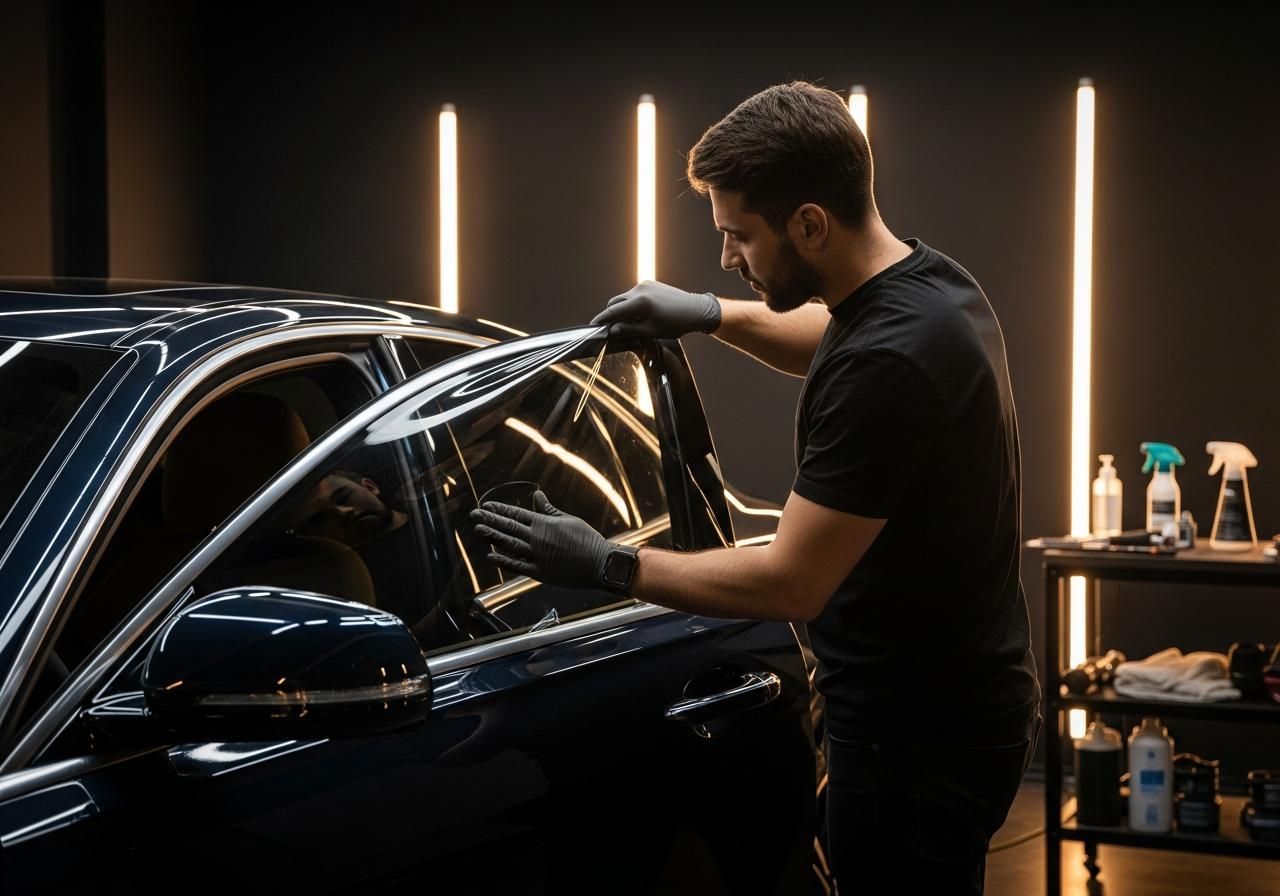
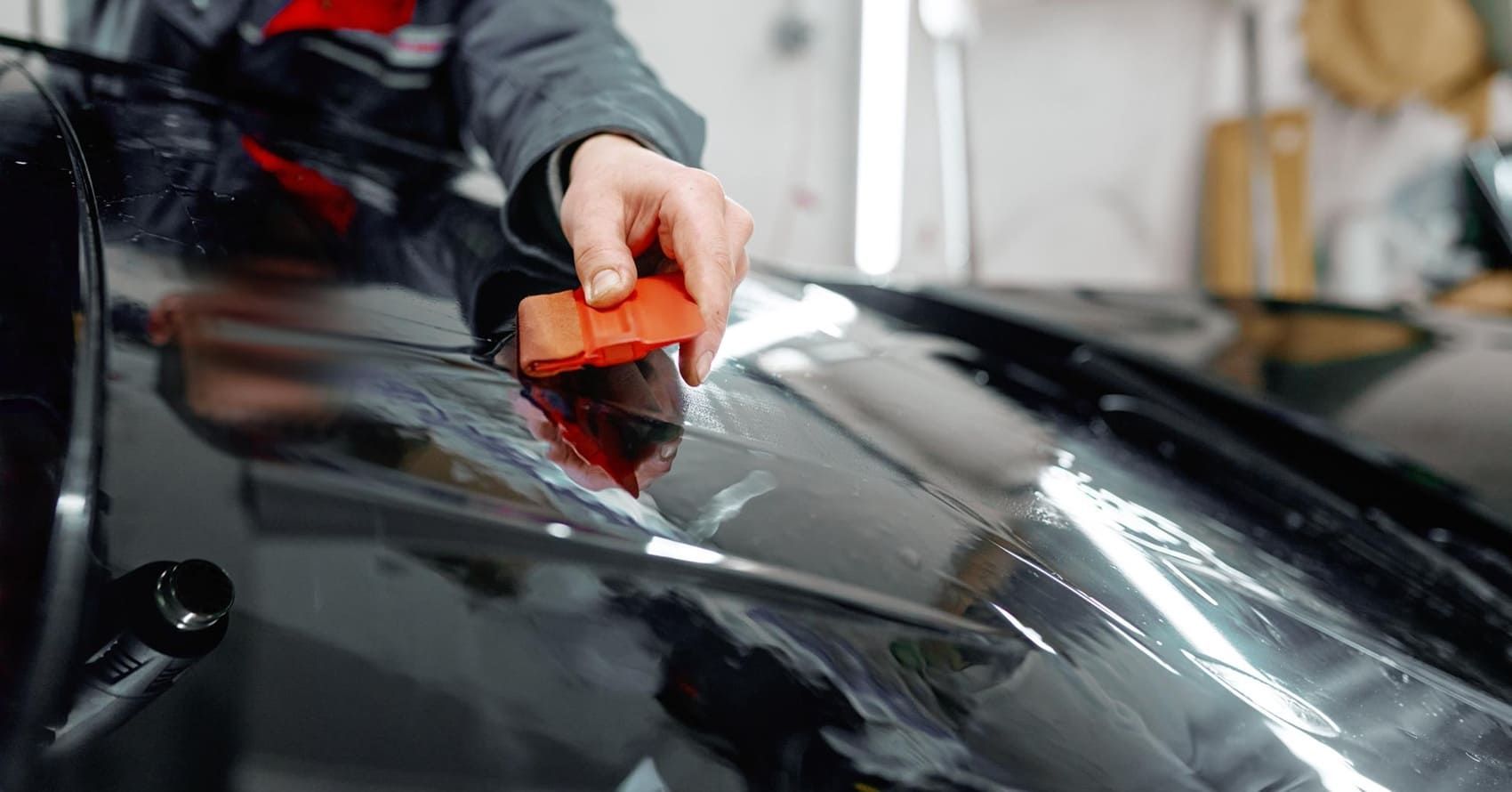
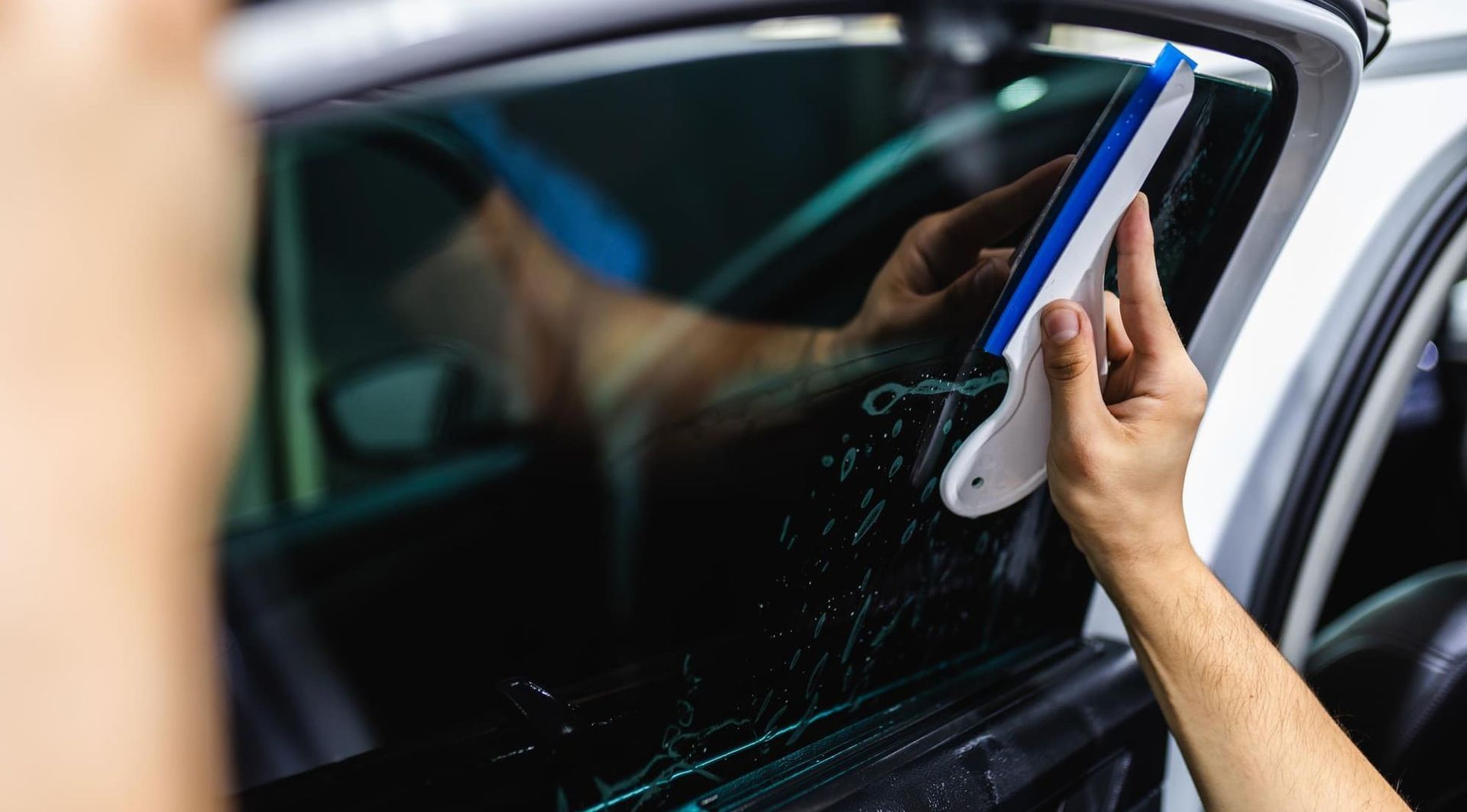
Yes. Even the best film can fail early if it's installed poorly. A professional installation helps your tint last by:
- Precise cutting. Computer-cut film fits each window accurately, reducing edge lifting and gaps.
- Thorough cleaning. Dust or debris trapped under the film can cause bubbles and weak spots.
- Proper heat-forming. Curved rear windows require heat-shrinking for a smooth, lasting bond.
- Careful edge work. Clean, sealed edges resist peeling as windows move up and down.
- Warranty coverage. Manufacturer warranties typically require installation by an authorized dealer.
DIY kits and bargain installs may save money upfront, but they often need replacing within a few years. Professional removal of old film also adds cost, so getting it right the first time usually costs less in the long run.
When Should You Replace Window Tint?
Consider replacing your tint if:
- It's turned purple, faded, or hazy
- Bubbles or peeling won't go away
- It's badly scratched or damaged
- Your car feels noticeably hotter than it used to
- You bought a used vehicle with low-quality or illegal tint
Old film should be removed by a professional. Removing tint from the rear window takes special care to avoid damaging the defroster lines.
Make Sure Replacement Tint Is Georgia-Legal
When replacing tint, it's a good time to make sure your new film meets Georgia law. Georgia generally requires front side, rear side, and rear windows on passenger vehicles to allow more than 32% of light through. Windshield tint is limited to the top portion of the glass, and reflectivity is restricted. Rules may differ for some multipurpose vehicles. Check current Georgia tint laws or ask your installer before choosing a shade.
Why Southeast Georgia Drivers Choose X-Treem Automotive & Tinting
X-Treem Automotive & Tinting in Statesboro is an authorized LLumar dealer, offering some of the most advanced window films on the market. Every installation uses computer-cut film and trained technicians. LLumar automotive films come with a lifetime warranty that guarantees your tint won't change color, bubble, or crack for as long as you own your vehicle (restrictions apply).
The shop carries LLumar's full lineup: IRX and CTX ceramic films, ATC premium dyed film, ATR metallized film, and AIR clear film. That makes it easy to match the right film to your budget and how much heat protection you want. As Southeast Georgia's one-stop shop, X-Treem also handles truck accessories, wheels and tires, spray-on bedliners, and audio and electronics. Customers from Statesboro, Savannah, Bulloch County, and the surrounding area rely on the team for knowledgeable advice and quality work.
Frequently Asked Questions About Window Tint Lifespan
How long does window tint last in Georgia?
Quality, professionally installed tint typically lasts 10 years or more in Georgia, and premium ceramic film often lasts for the life of the vehicle. Cheap dyed tint may fail in two to five years.
Does Georgia heat ruin window tint?
Extreme heat can damage low-quality film by weakening its adhesive and breaking down its dyes. Premium films and adhesives are designed to handle high temperatures for many years.
Why does window tint turn purple?
Purple tint happens when the dyes in low-quality film break down from UV exposure. Color-stable premium films and ceramic films are designed not to turn purple.
How long does window tint take to cure in humid weather?
Curing usually takes a few days to a few weeks. Georgia's humidity can slow the process, so some haziness or small water pockets may linger longer than in dry climates.
Does ceramic tint last longer than regular tint?
Yes. Ceramic film doesn't rely on dyes that fade, so it holds its color and performance longer than standard dyed film.
Does rain affect window tint?
No. Window film is installed on the inside of the glass, so rain doesn't affect it once it has cured.
Is a lifetime warranty on window tint worth it?
Yes. A lifetime manufacturer's warranty against bubbling, peeling, cracking, and color change is one of the best indicators of film quality, especially in Georgia's harsh climate.
Get Window Tint Built for Georgia Weather
How long your window tint lasts in Georgia depends on the film you choose, who installs it, and how you care for it. Cheap film may only survive a few Georgia summers. Premium ceramic and color-stable films, professionally installed, can last for as long as you own your vehicle. Choose quality film with a strong warranty, let it cure properly, and clean it gently, and your tint will keep your vehicle cooler and looking sharp for years.
Ready for tint that's built to last? Visit
X-Treem Automotive & Tinting at 17301 GA-67 in Statesboro, or
call (912) 681-8468 Monday through Friday, 9 AM to 6 PM. You can also request a
free estimate online and compare shades with the automotive film viewer before your appointment.