What Voids a Tint Warranty? 9 Common Mistakes Statesboro Drivers Should Avoid
A
window tint warranty is usually voided by damage you cause, not by the film itself. The most common mistakes are rolling windows down before the film cures, cleaning with ammonia or abrasive tools, scratching the film, attaching stickers or suction cups, installing illegal shades, and losing your proof of purchase. Manufacturing defects like bubbling, peeling and color change stay covered.
A lifetime warranty is one of the biggest reasons to choose premium film over a cheap install. But "lifetime" doesn't mean "anything goes." Every film warranty has fine print, and a few everyday habits can quietly put your coverage at risk.
Whether you drive a work truck around Bulloch County, commute to Savannah, or haul the family through Brooklet, Claxton or Sylvania, this guide from X-Treem Automotive & Tinting explains what tint warranties typically cover, what they don't, and the common mistakes that can void yours.

Key Takeaways
- Warranties cover defects, not damage. Bubbling, peeling, cracking and color change from manufacturing flaws are covered; scratches and misuse usually aren't.
- The first week matters most. Rolling windows down or cleaning too early is one of the most common ways to ruin new tint.
- Cleaning products matter. Ammonia-based cleaners, razor blades and abrasive pads can damage film and void coverage.
- Legal compliance matters. Some manufacturer warranties cover only film that meets state law, and Georgia requires more than 32% light transmission on most windows.
- Keep your paperwork. Proof of purchase and installation is typically required for any claim.
What a Window Tint Warranty Actually Covers
Most premium film warranties, including LLumar's lifetime limited warranty, are designed to protect you against failures caused by the product. Damage caused by how the film is used or cared for is a different category.
| Typically Covered | Typically Not Covered |
|---|---|
| Bubbling not caused by damage | Scratches, nicks and gouges |
| Peeling or lifting edges | Damage from improper cleaning or chemicals |
| Cracking or crazing | Damage from broken or replaced glass |
| Delamination | Film altered, picked at or partially removed |
| Color change (such as turning purple) | Stickers, suction cups or adhesives on the film |
| Adhesive failureAdhesive failure | Film that violates state tint laws |
| Installations by unauthorized installers |
Exact terms vary by manufacturer and product, so always read the warranty card your installer gives you. At X-Treem, our
LLumar automotive films carry a lifetime warranty, and if your tint peels, bubbles or otherwise malfunctions, our team will make it right.
9 Common Mistakes That Can Void Your Tint Warranty
Rolling Your Windows Down Too Soon
Freshly installed tint needs time to cure as the remaining moisture evaporates and the adhesive bonds to the glass. Rolling a window down too early can catch the film's bottom edge on the door seal, causing it to lift, crease or peel. Damage caused this way generally isn't treated as a manufacturing defect.
Most installers recommend keeping windows up for at least three to five days, and longer in cool or humid weather. If your windows have an auto-up or auto-down feature, be careful not to bump the switch.
Picking at Bubbles or Haze During Curing
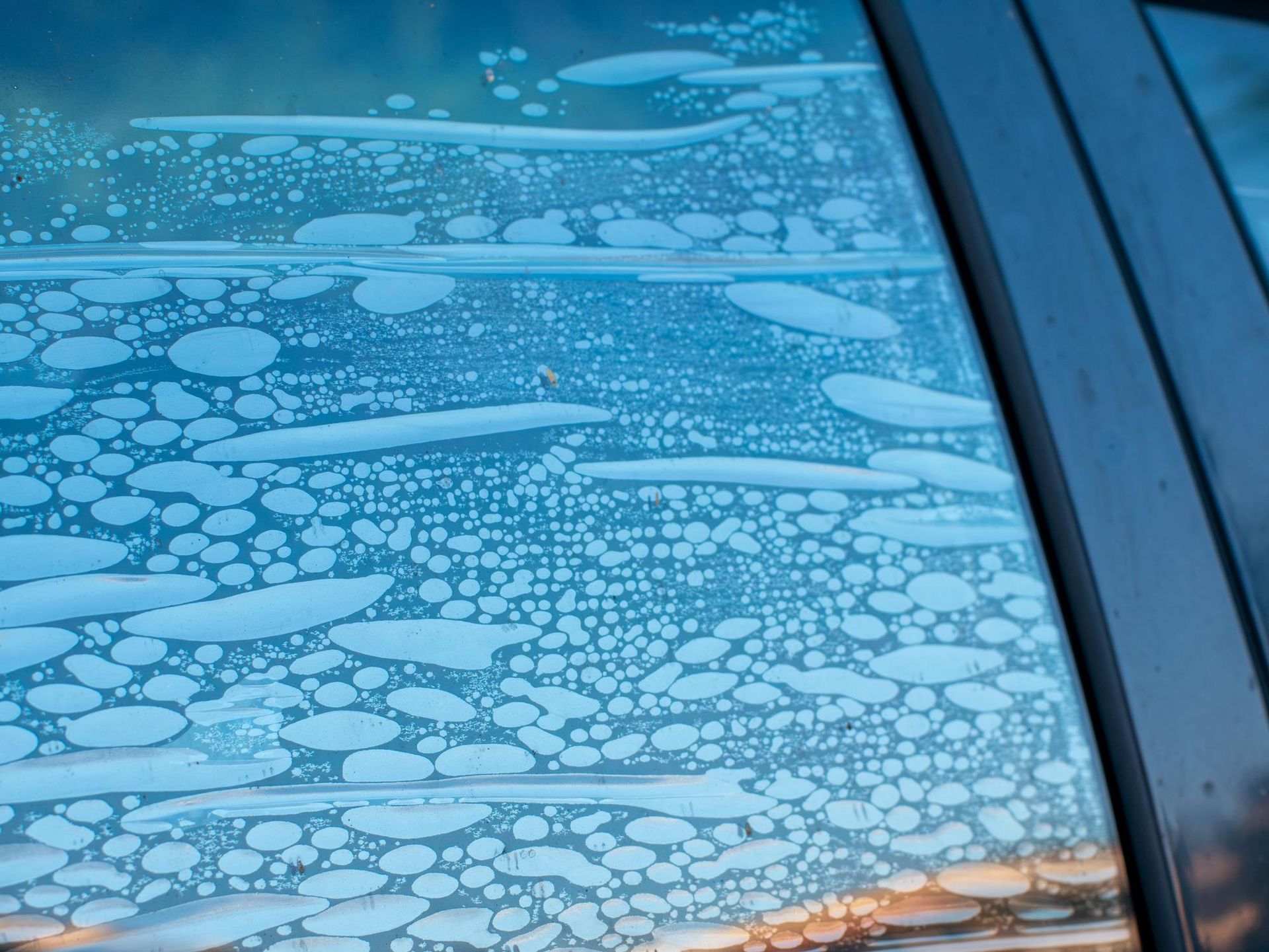
Small water pockets, light haze and a slightly streaky look are normal for the first several days and sometimes longer in humid Southeast Georgia weather. They usually disappear on their own as moisture evaporates through the film.
Pressing, poking or trying to squeegee out these pockets yourself can crease the film or trap dirt underneath. If a bubble is still there after the curing period, call your installer instead of fixing it yourself.
Cleaning Your Tint Too Early
Wait about a week before cleaning the inside of tinted windows. Cleaning too soon can shift the film before the adhesive fully sets. Clean the outside of the glass as usual, but leave the tinted side alone while it cures.
Using the Wrong Cleaning Products or Tools
This is one of the most common warranty-voiding mistakes. Avoid:
- Ammonia-based glass cleaners, which can break down some films and adhesives over time
- Razor blades or scrapers on the inside of the glass
- Abrasive pads, rough towels or paper towels that leave scratches
- Harsh solvents like acetone, bug and tar remover or gasoline on the film
Instead, use an ammonia-free cleaner or mild soapy water with a soft microfiber cloth or rubber squeegee. Spray the cloth rather than flooding the window to keep liquid away from the film's edges.
Scratching the Film Through Everyday Use
Premium films have scratch-resistant coatings, but they're not scratch-proof. Common sources of scratches include:
- Seat belt buckles snapping back against the window
- Rings, watches and keys while cleaning or resting a hand on the glass
- Loading tools, lumber or gear past the back windows of a truck or SUV
- Dogs pawing at the windows
- Ice scrapers used on the inside of the glass
Scratches are almost always treated as user damage, so a little care goes a long way.
Attaching Stickers, Suction Cups or Decals to the Film
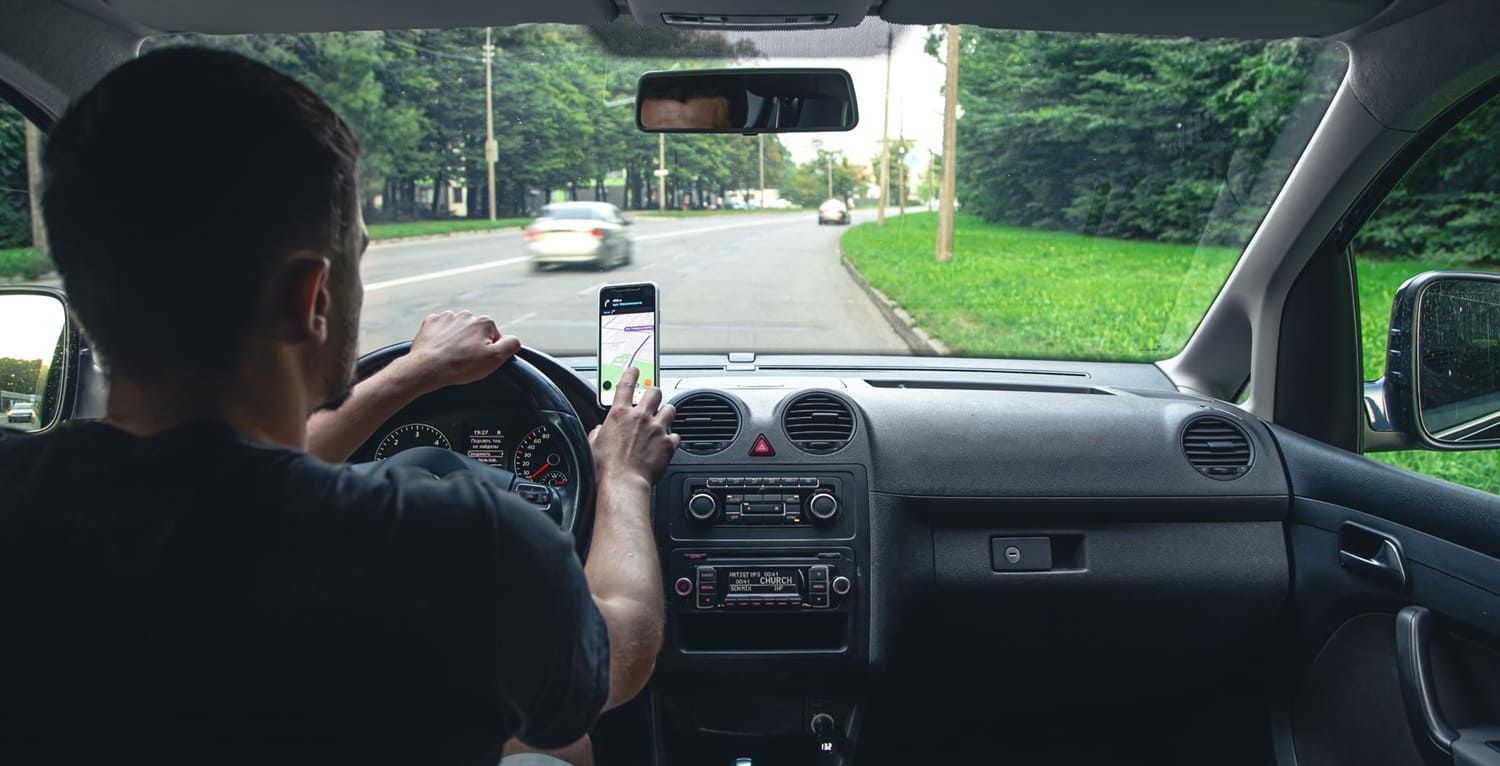
Parking permits, school stickers, suction-cup phone mounts and suction-cup sunshades can all damage window film. Their adhesive can bond to the film and pull it away when removed, and suction cups can leave marks or lift edges. Many warranties specifically exclude film with stickers or suction cups attached.
If you need a decal, ask your installer where to place it, such as on untinted glass or the outside of the window.
Going Darker Than Georgia Law Allows
Some manufacturer warranties cover only film that complies with the laws of the state where the vehicle is used. Installing an illegal shade can create problems with your coverage, in addition to the risk of fines.
| Georgia Tint Rule | Sedans | SUVs, Trucks and Vans |
|---|---|---|
| Windshield | Non-reflective tint on top 6 inches only | Non-reflective tint on top 6 inches only |
| Front side windows | More than 32% light allowed in | More than 32% light allowed in |
| Back side windows | More than 32% light allowed in | Any darkness |
| Rear window | More than 32% light allowed in | Any darkness |
| Reflectivity | 20% or less | 20% or less |
| Restricted colors | Red and amber not allowed | Red and amber not allowed |
Georgia allows a 3% light transmission tolerance and requires manufacturer-certified film. Violations are a misdemeanor that can carry a fine of up to $1,000. Medical exemptions are available. A professional installer will keep your shade legal from the start.
Choosing an Unauthorized Installer or DIY Tint
Manufacturer warranties typically require the film to be installed by an authorized dealer. Film bought online and installed at home, or installed by a shop that isn't authorized for that brand, often has no manufacturer coverage at all.
The same goes for having another shop work on your existing tint. If someone else patches, trims or partially removes your film, the original warranty may no longer apply.
Losing Your Proof of Purchase
Most warranty claims require documentation showing when, where and what was installed. Keep your invoice and warranty card with your vehicle records, and snap a photo of both so you have a backup.
What About Glass Breakage or Replacement?
Window film warranties cover the film, not the glass. If a window breaks from an accident, a break-in or a stray rock, or if a door glass is replaced by a body shop, the film on that window won't be covered under the original warranty. The new glass will need new film.
Good news: quality window film can help hold shattered glass together, which adds a layer of safety in an accident or attempted break-in.
Window Tint Aftercare Timeline
| Timeframe | What to Do | What to Avoid |
|---|---|---|
| Day 1 to Day 5 | Keep windows rolled up; let haze and water pockets cure | Rolling windows down, pressing bubbles |
| First week | Clean only the outside of the glass | Cleaning the tinted inside surface |
| After one week | Clean gently with ammonia-free cleaner and microfiber | Ammonia, razor blades, abrasive towels |
| Ongoing | Watch seat belts, cargo and pets near the glass | Stickers, suction cups, scraping |
| Anytime you notice a problem | Call your installer with photos and paperwork | DIY repairs or removal |
How to File a Tint Warranty Claim
If something does go wrong, here's how to handle it the right way.
Document the Problem
Take clear photos of the issue, whether it's bubbling, peeling, lifting edges or discoloration. Note when you first noticed it.
Find Your Paperwork
Locate your invoice and warranty card showing the film type and installation date.
Contact Your Installer First
Call or visit the shop that installed your tint. Authorized dealers handle claims and can tell you whether the issue is a covered defect.
Let the Professionals Inspect It
Your installer will inspect the film and confirm the cause. Covered defects are typically fixed by removing and replacing the affected film.
Avoid Fixing It Yourself
Don't try to peel, trim or patch the film before it's inspected. Doing so can turn a covered defect into uncovered damage.
Frequently Asked Questions
Does rolling down my windows void my tint warranty?
Rolling windows down after the film has fully cured is completely normal. Rolling them down during the first several days can damage the film's edge, and that damage may not be covered.
Can I use Windex on tinted windows?
Many installers recommend avoiding ammonia-based cleaners on window film. Use an ammonia-free cleaner or mild soapy water with a soft microfiber cloth, and follow your installer's specific care instructions.
Why is my new tint hazy or bubbly?
Light haze and small water pockets are normal while new film cures. They usually clear up within days to a few weeks depending on the film and weather. If they don't, contact your installer.
Will my tint warranty transfer if I sell my car?
It depends on the manufacturer and the product. Many auto tint warranties cover the original owner for as long as they own the vehicle. Ask your installer about your specific film.
Does a lifetime warranty cover scratches?
No. Scratches are almost always treated as user damage rather than a manufacturing defect.
Why does cheap tint turn purple?
Low-quality dyed films use unstable dyes that break down in the sun. Premium color-stable films like LLumar are warrantied against color change.
The Bottom Line: Protect Your Tint, Protect Your Warranty
A lifetime tint warranty is only as good as the care you give your film. Let new tint cure, clean it gently with the right products, keep stickers and suction cups off the glass, stay within
Georgia's legal limits, and keep your paperwork handy. Do that, and your warranty will be there if a real defect ever shows up.
At X-Treem Automotive & Tinting, we're an authorized LLumar dealer serving
Statesboro, Savannah, Brooklet, Claxton, Sylvania and all of Bulloch County. Our computer-cut films are installed by trained professionals and backed by a lifetime warranty. If your tint peels, bubbles or otherwise malfunctions, we'll make it right.
Ready to get tint that's built to last? Stop by 17301 GA-67 in Statesboro,
call (912) 681-8468, or request
a free estimate online. We're open Monday through Friday, 9AM to 6PM.